Traditionens respekt för Padabhyanga (den ayurvediska fotmassagen) är inte sentimental. Den vilar på fotens klassiska anatomi, som marma-systemet (den ayurvediska kartan över kroppens vitala punkter) räknar till kroppens mest betydelsefulla områden. Några minuters långsamt, oljat tryck över sulorna läser den kartan från kant till kant.
Fotens klassiska karta
Av de 107 marma-punkter det klassiska systemet räknar bär varje fot sin egen uppsättning, och två namn återkommer i nästan varje beskrivning av området. Talahridaya sitter mitt i sulan; namnet betyder handflatans eller sulans hjärta, och traditionen ser punkten som porten till fotens hela karta. Kshipra ligger i vecket mellan stortån och andra tån; namnet betyder snabb, en kommentar till hur beredvilligt punkten svarar. Omkring dem sitter hälens, fotledens och de enskilda tårnas punkter, och det är därför den traditionella sekvensen rör vid vart och ett av dessa områden i tur och ordning i stället för att knåda foten som en enda massa.
Så arbetar Padabhyanga med kartan
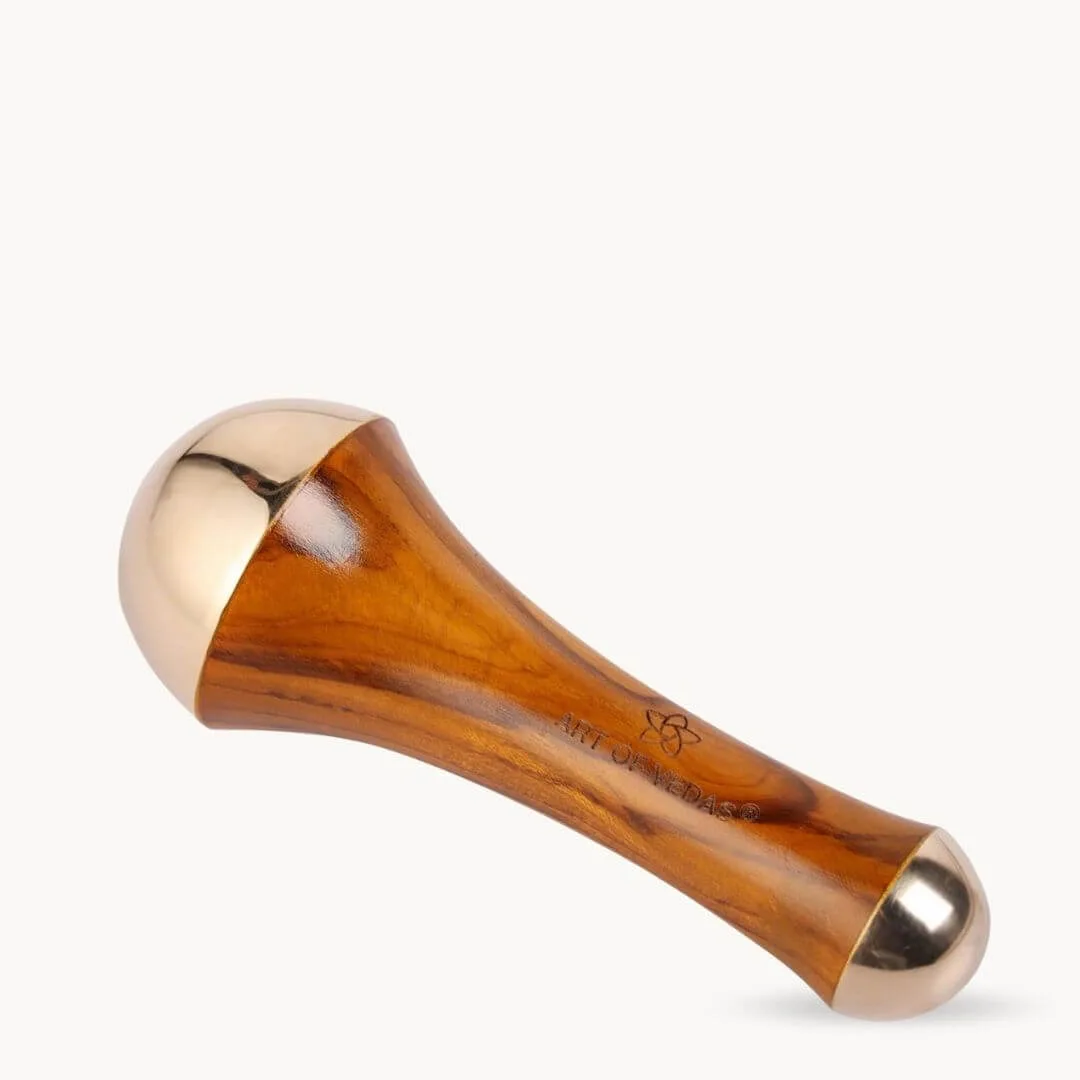
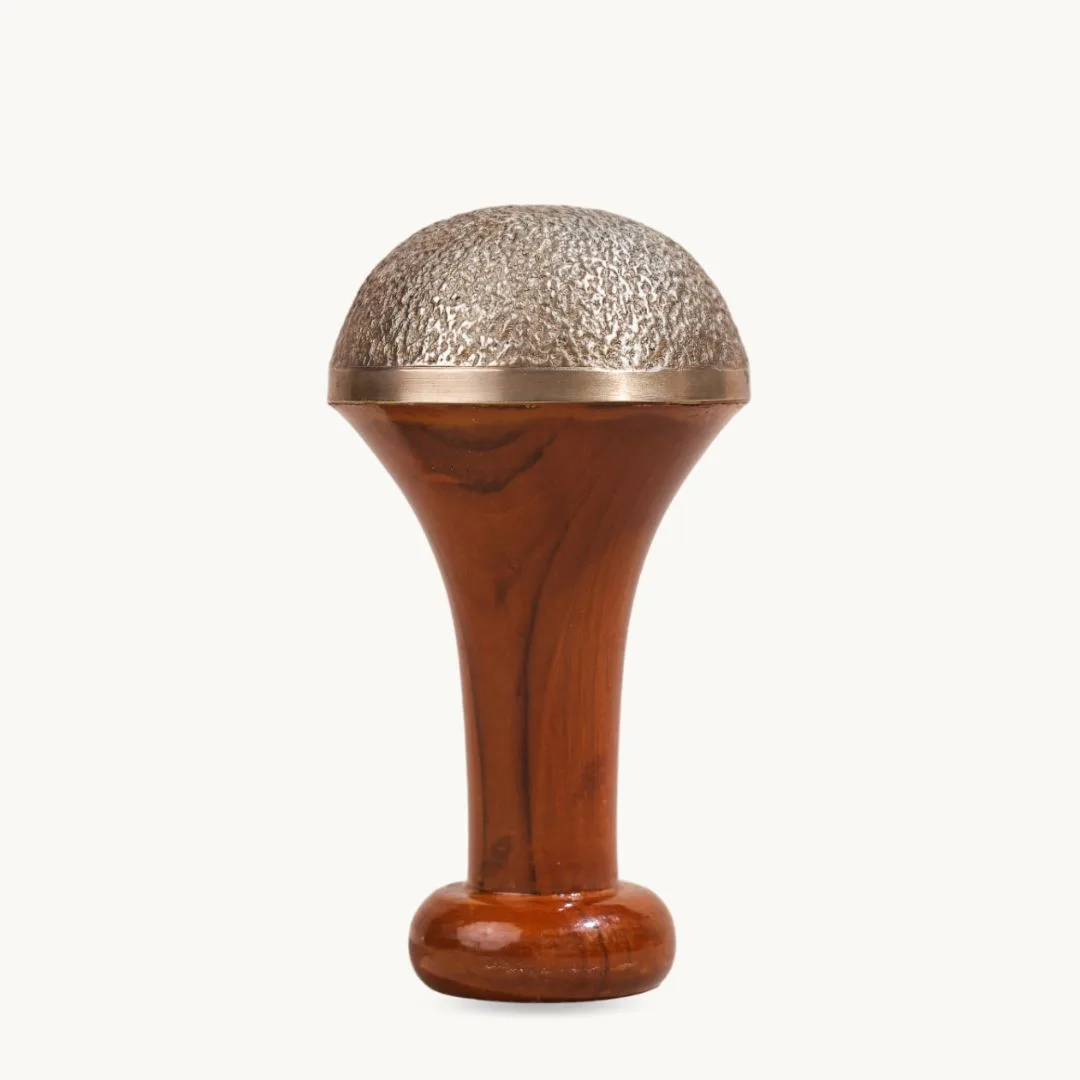
En särskild marma-behandling trycker på punkter var för sig, med precision. Padabhyanga tar traditionens mildare väg: varm olja, tummarnas upprepade långsamma cirklar och full täckning av sulan, så att varje punkt på kartan får en passerande, lugn uppmärksamhet. Det är skälet till att sekvensen i vår steg för steg-guide är byggd som den är: den långa stunden vid sulan tjänar Talahridaya, tåarbetet slutar vid Kshipra, och häl och fotled sluter kretsen.
Det är också därför trycket ska förbli behagligt. Marma-arbete i hemmet handlar om uppmärksamhet, aldrig om kraft.
In i praktiken
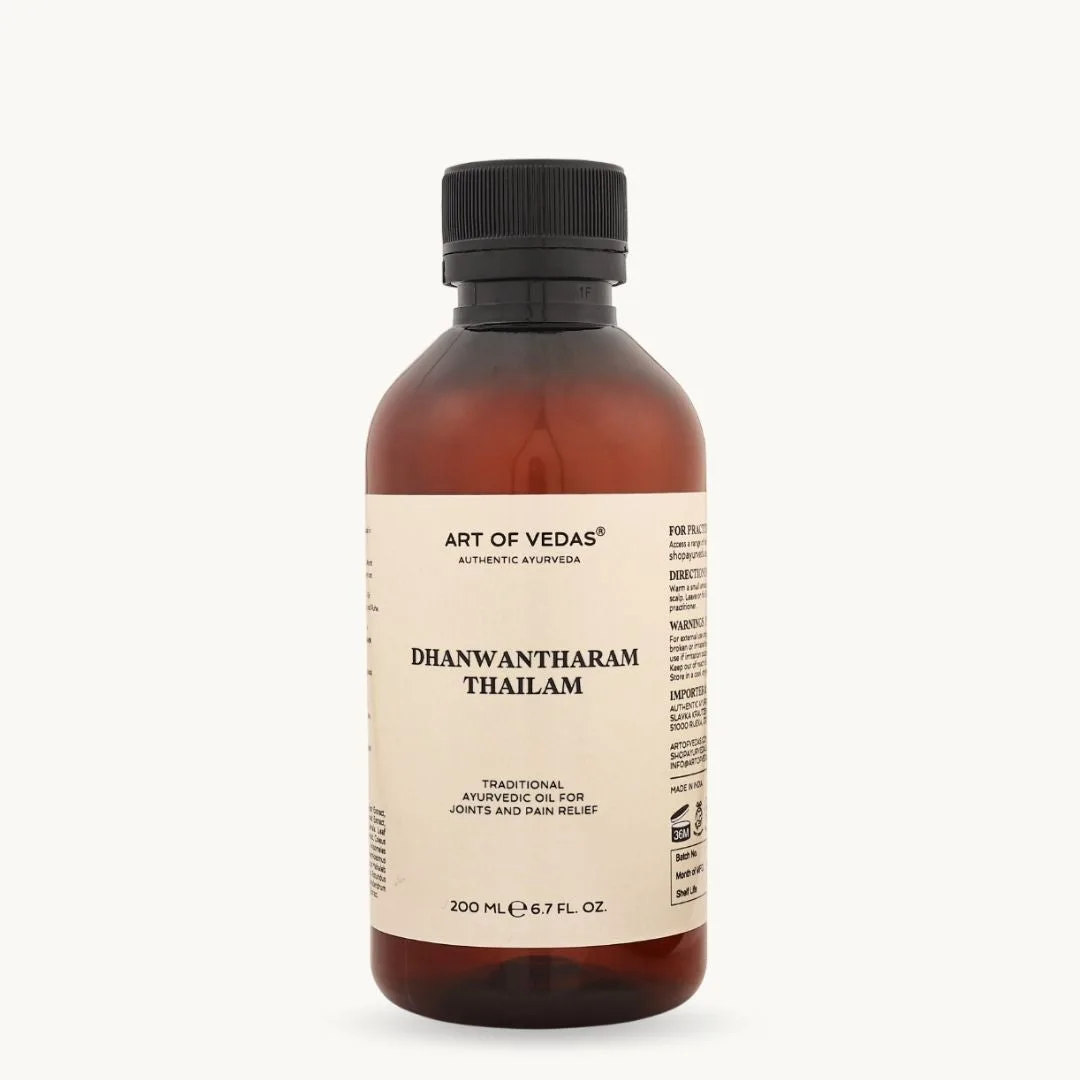
Utför den vanliga kvällsritualen, men ge mitten av varje sula en hel stilla minut, och avsluta varje fot med att låta en tumme vila kort i vecket mellan de två första tårna. Använd så mycket varm olja att tummarna glider; vår Padabhyanga-olja komponerades för det arbetet. Vill du se hela kroppens karta är vår kompletta marma-guide rätt plats att fortsätta.
Endast för utvärtes bruk. Ersätter inte professionell rådgivning.